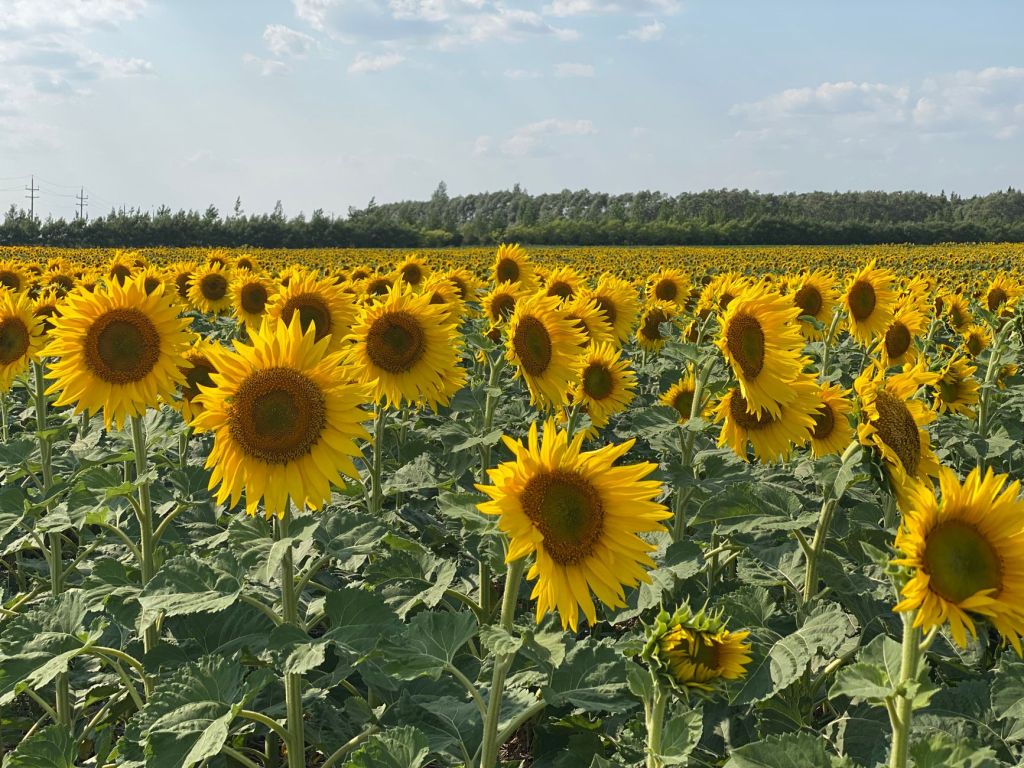
Sunflower photos are bright, cheerful, and filled with the warm colours of summer. Between the golden yellow flowers and lush greenery, you already have a beautiful natural backdrop.
The setting may be ready, but choosing outfits can still feel surprisingly difficult. You want everyone to coordinate without looking identical. You also want colours that stand out without competing with the flowers.
This guide will help you plan outfits, prepare your family, and feel confident before your sunflower photo session.
What Kind of Feelings Do Sunflower Photos Create?
Sunflower fields naturally create photographs that feel warm, relaxed, colourful, and joyful. They work beautifully for families, couples, maternity photographs, children, and milestone celebrations.
The flowers bring plenty of colour and texture to every image. Simple patters and textured outfits usually work best because they allow you to remain the focus.
Your outfits should feel special while still allowing you to walk, cuddle, laugh, and move comfortably. I always advicate for people to wear what they feel comfortable in and what looks perfect. If you are uncomfortable in your clothes it will show in the photos, and we don’t want that!
Sunflower sessions are also perfect for photographs with movement. Walking through the field, holding hands, and playing together can feel more natural than stiff posing.
You do not need to arrive knowing exactly what to do. The photographer can guide you through flattering poses and natural prompts. Your connection will always matter more than performing perfectly for the camera.
The Best Colours to Wear With Sunflowers
Yellow sunflowers and green leaves create a bold background. Colours that complement them will help you stand out without competing with the field.
Earthy shades are especially beautiful in this setting. Consider rust, terracotta, camel, tan, olive, sage, chocolate brown, or warm beige.
These shades create a rich late-summer look and blend naturally with the farm environment. They also coordinate easily across several outfits.
Soft blues provide lovely contrast against yellow. Dusty blue, denim, navy, and muted teal can balance the warmer colours surrounding you.
Deeper blues usually create more separation from the flowers than very pale pastels. However, softer blues can still create an airy appearance.
For a light, neutral palette, consider cream, oatmeal, taupe, muted pink, or warm grey. These colours keep everything soft without disappearing completely into the background.
Jewel tones can also look stunning. Burgundy, emerald, deep plum, cobalt, and rich navy create strong contrast against golden flowers.
Choose one stronger colour and support it with quieter neutrals. This creates visual interest without making every outfit compete for attention.
Choosing Flattering Whites and Neutrals
Pure white is a popular choice for photographs, but the exact shade can make a difference. Bright white reflects considerable light and may appear especially bright beside fair skin. In terms of editing as a photographer, if your dress and your skin tone are similar, during the editing process it may become difficult for define the two, making it look washed and not flattering. Choosing an off white helps to create the seperation needed to define where you start and your clothes begin.
If you have fair or lighter skin, consider cream, ivory, oatmeal, or soft beige instead. These shades maintain a fresh appearance while creating gentler separation.
That does not mean lighter skin should never wear white. Fabric texture, makeup, lighting, hair colour, and your natural undertones all affect the final result.
If you have deeper skin, creamy neutrals and brighter whites can both create beautiful contrast. Rich shades like emerald, cobalt, berry, and rust may also photograph wonderfully.
There is no universal colour rule based only on skin tone. The goal is to create comfortable contrast between your skin, clothing, and surroundings.
Hold possible colours near your face in natural window light. Compare bright white with ivory or cream and notice which shade makes your features appear brighter.
Most importantly, choose something that makes you feel confident. Confidence will photograph better than any supposedly perfect colour you do not enjoy wearing.
Coordinate Your Family Without Matching Exactly
Everyone does not need identical shirts or one colour from head to toe. Coordinated outfits usually look more natural and allow each person to have individuality.
Begin with one outfit you already love. This might be a patterned dress, a textured shirt, or your child’s favourite overalls.
Pull two or three colours from that piece for everyone else’s clothing. Add one neutral shade to create breathing room throughout the group.
For example, one person could wear a rust dress with a small cream pattern. Another could choose a cream shirt with dark jeans.
One child could wear olive overalls, while another wears a dusty blue dress. The colours connect, but nobody looks like they are wearing a uniform.
You could also build a palette using navy, cream, camel, and muted blue. Another option includes burgundy, oatmeal, denim, and soft brown.
Lay every outfit together before your session. Taking a quick phone photograph can help you notice any colour that feels too dominant.
Mix Textures and Patterns Carefully
Texture adds visual interest without overwhelming your photographs. Linen, denim, knits, lace, corduroy, and flowing fabrics all work beautifully outdoors.
Try mixing several textures while limiting the number of patterns. This gives each outfit dimension while keeping the complete group coordinated.
If one person wears a pattern, keep most other outfits simpler. Tiny florals, subtle checks, and soft stripes can work well.
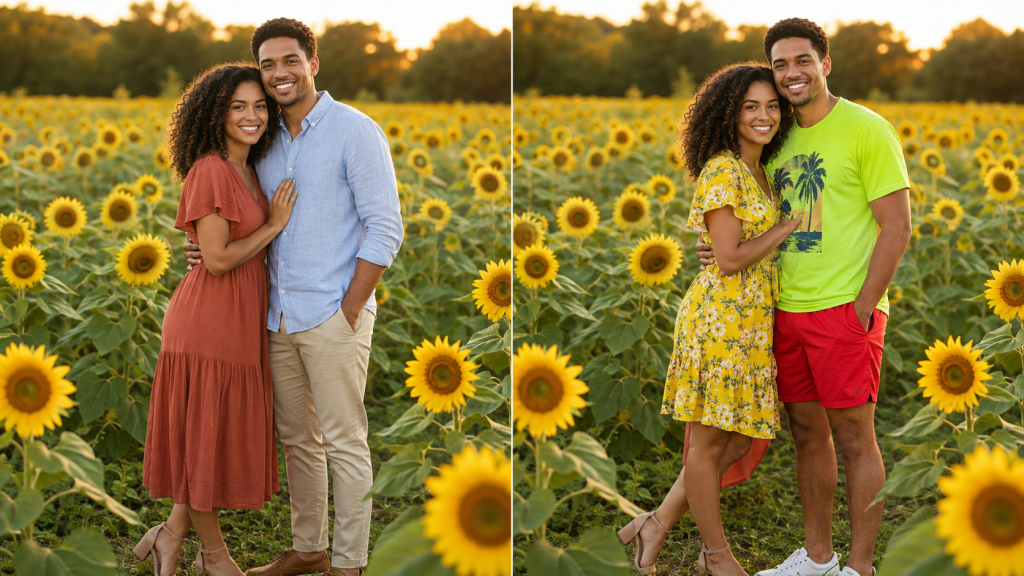
Large logos, character graphics, and neon colours may pull attention away from your faces. Very small, closely spaced stripes can also create distracting effects on camera.
Couples can use the same approach. One person can wear the stronger colour while the other chooses a coordinating neutral.
You should look connected, but you do not need to copy each other. Your outfits should still reflect your individual styles.
What Clothing Styles Work Best in a Sunflower Field?
Your session will happen outdoors, so comfort matters. Choose clothing that allows you to walk, sit, cuddle, and move without constant adjusting.
Flowing dresses photograph beautifully among sunflowers because they add softness and movement. Midi and maxi lengths are also practical around uneven ground.
Jumpsuits, skirts, relaxed trousers, and well-fitted denim are excellent alternatives. Wear something that feels like you instead of forcing an unfamiliar style.
For children, choose outfits they can comfortably play in. Avoid anything itchy, restrictive, or difficult to keep in place.
Comfortable children can focus on exploring and connecting with you. That freedom often leads to more natural expressions and genuine smiles.
Choose shoes suitable for grass and uneven farm ground. Flats, boots, clean sneakers, or low wedges are usually safer than narrow heels.
Your footwear may appear in full-length photographs. Choose something comfortable that also complements the rest of your outfit.
Preparing Children for Sunflower Photos
You do not need to ask your children to practise smiling. Instead, tell them you are visiting a sunflower field together.
Let them know they will explore, play, and take some photographs along the way. Keeping the explanation light can reduce pressure before you arrive.
Try to schedule around naps and meals whenever possible. Arriving with everyone rested and fed can make the experience much easier.
A simple snack beforehand may prevent hunger from becoming the main event. Avoid messy snacks or strongly coloured drinks immediately before photographs.
Bring water, wipes, and any small comfort item your child may need. Keep favourite toys tucked away unless they become necessary.
During the session, focus on connecting instead of repeatedly asking children to smile. Look at them, cuddle them, or make them laugh naturally.
If your child needs a short pause, that is completely normal. Calm reassurance usually works better than pressure or repeated instructions.
Children do not need to behave perfectly to create meaningful photographs. Their curiosity, expressions, and personalities are often what families remember most.
Sunflower Session Housekeeping Tips
Plan to arrive about ten minutes before your scheduled session. This gives you time to park, gather everyone, and make final outfit adjustments.
Mini sessions are often booked closely together. Arriving early helps protect your full photography time and prevents your family from feeling rushed.
Sunflower fields can be warm, uneven, and occasionally muddy. Check the weather and wear footwear that suits the conditions.
Bring a simple layer if the temperature may drop. A cardigan, denim jacket, or neutral sweater can also provide another outfit variation.
Insect repellent may be helpful, especially for children. Apply it before entering the field and keep sprays away from delicate clothing.
Bring water, wipes, a hairbrush, and a small towel. A lint roller and a few safety pins can also solve last-minute clothing problems.
Empty bulky pockets before the camera comes out. Phones, keys, wallets, and hair ties can create visible shapes or unnecessary distractions.
Check faces, collars, buttons, and shoes before beginning. Remove temporary wristbands and anything else you do not want in your photographs.
Always follow the farm’s rules and your photographer’s directions. Avoid picking flowers, stepping between planted rows, or entering restricted areas.
These simple precautions protect the field and keep it beautiful for other visitors, photographers, and future sessions.
You Do Not Need to Make Everything Perfect
It is easy to place pressure on yourself before family photographs. You may worry about outfits, hair, weather, or whether everyone will cooperate.
Preparation helps, but perfection is not the goal. The most meaningful photographs usually come from genuine interaction rather than flawless posing.
Choose clothing that feels comfortable and reflects your family. Coordinate your colours, prepare the essentials, and leave room for everyone to be themselves.
The sunflower field will bring the colour. You and the people beside you will bring the meaning.
If you are planning sunflower photos, save this guide while choosing your outfits. You can also send it to everyone attending your session.
Ready to book your Sunflower Field Mini Session?
Use the buttons below for more info on my available sunflower minis or checkout my portfolio


Leave a comment